

The Consolation of Philosophy
Is Philosophy Astrology for Zoomer Men?


Here is my argument:
a) philosophy is not dying; it’s simply finding new media and channels.
b) philosophy’s role is more similar to religion than many appreciate; it’s a theodicy, not just a type of enquiry.
c) The thinness of philosophical tether corresponds to cultural trends in modern, secular societies more generally.
d) philosophy offers men a type of therapeutic activity that is healthier than many of their alternatives.
e) the risk of philosophy as consolation is that it leads to detachment rather than engagement.
In 523, Boethius sat in a prison cell in Pavia, awaiting execution. He had been a Roman senator, a consul, the most learned man of his age. Now he was condemned for treason and he was going to die. In that cell, he wrote a book. He called it The Consolation of Philosophy
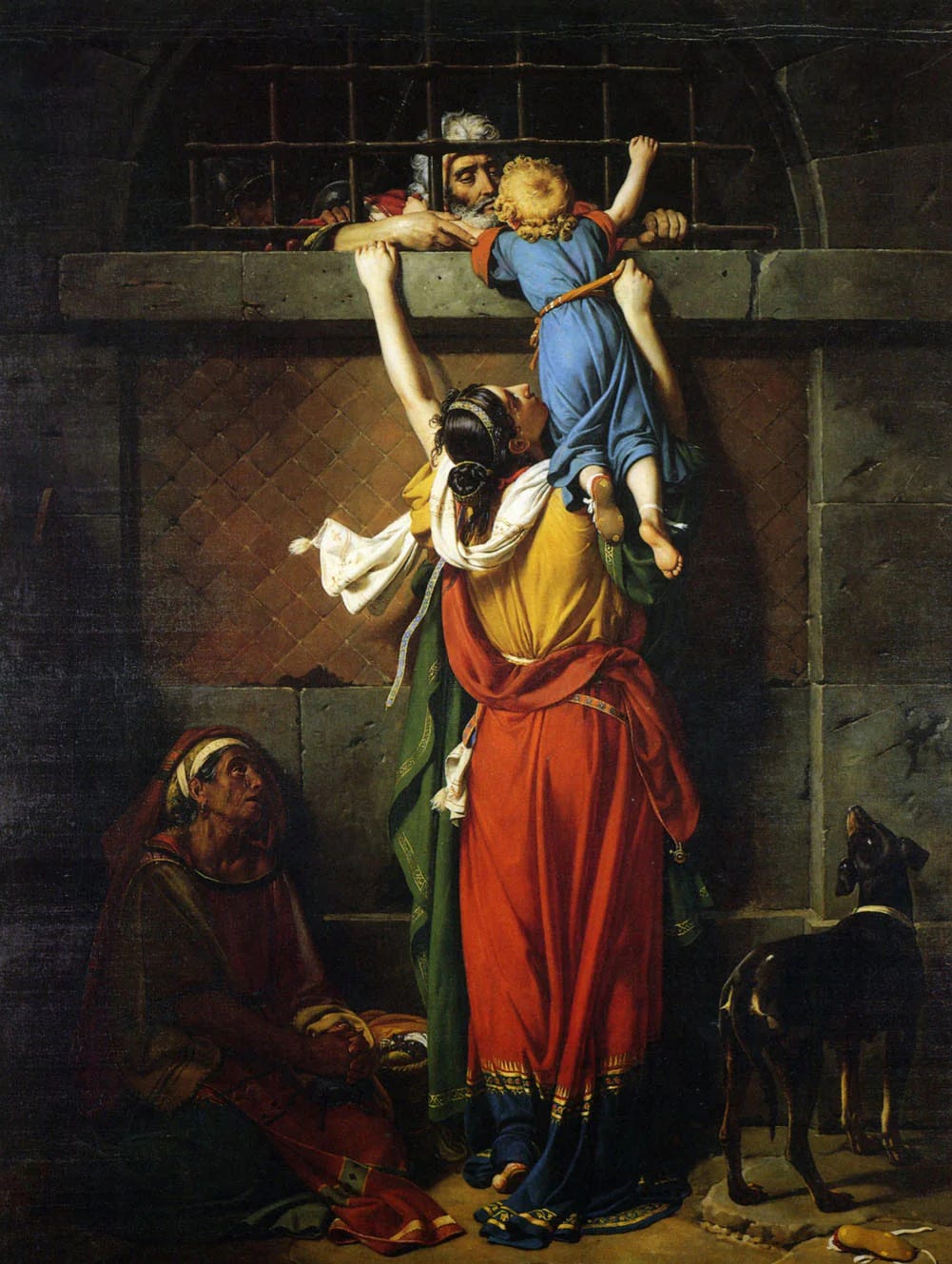
The book is a dialogue. Boethius, weeping, receives a visitor, a kind of proto-AI companion: Lady Philosophy.
For a thousand years this was simply what philosophy was. Not a discipline, not an argument-producing machine, but a practice of consolation. You turned to philosophy when you were suffering. Philosophy offered a kind of theodicy. Socates’ notion that “virtue is its own reward” provided comfort to those who naturally ask “Why do the righteous suffer?”
Pierre Hadot spent his career recovering this lost conception. Ancient philosophy, he argued, was askesis—training, exercise, formation. The Stoics did not offer propositions to analyze. They offered a regimen for becoming a certain kind of person. The Enchiridion is a handbook, something to hold in the hand as you move through life.
The modern academy forgot this. Philosophy became professionalized, credentialed, technical—conducted in journals and seminar rooms. To suggest that it arises from suffering would be embarrassing. Prisons provide chaplains to those on death row, not philosophers. No one would ask for one.
And yet something strange is happening among young men. They are turning to philosophy. They watch YouTube lectures on Stoicism. They read Marcus Aurelius in mass-market paperbacks. They follow accounts that post Nietzsche over images of marble statues. Jordan Peterson has made Jung and Dostoevsky into a vocabulary for millions.
The usual explanation is intellectual: they are interested in ideas, in truth. But this does not survive scrutiny. The young men watching Stoicism videos are not parsing the differences between Epictetus and Seneca. They are not interested in whether the Stoic theory of oikeiosis is defensible. They are doing something else.
They are seeking consolation.
Philosophy functions for young men today much the way astrology functions for young women.

 | A guest post by
|