

The Simulation Hypothesis is a Distraction
An Ethical Critique of Bostrom's Thought Experiment


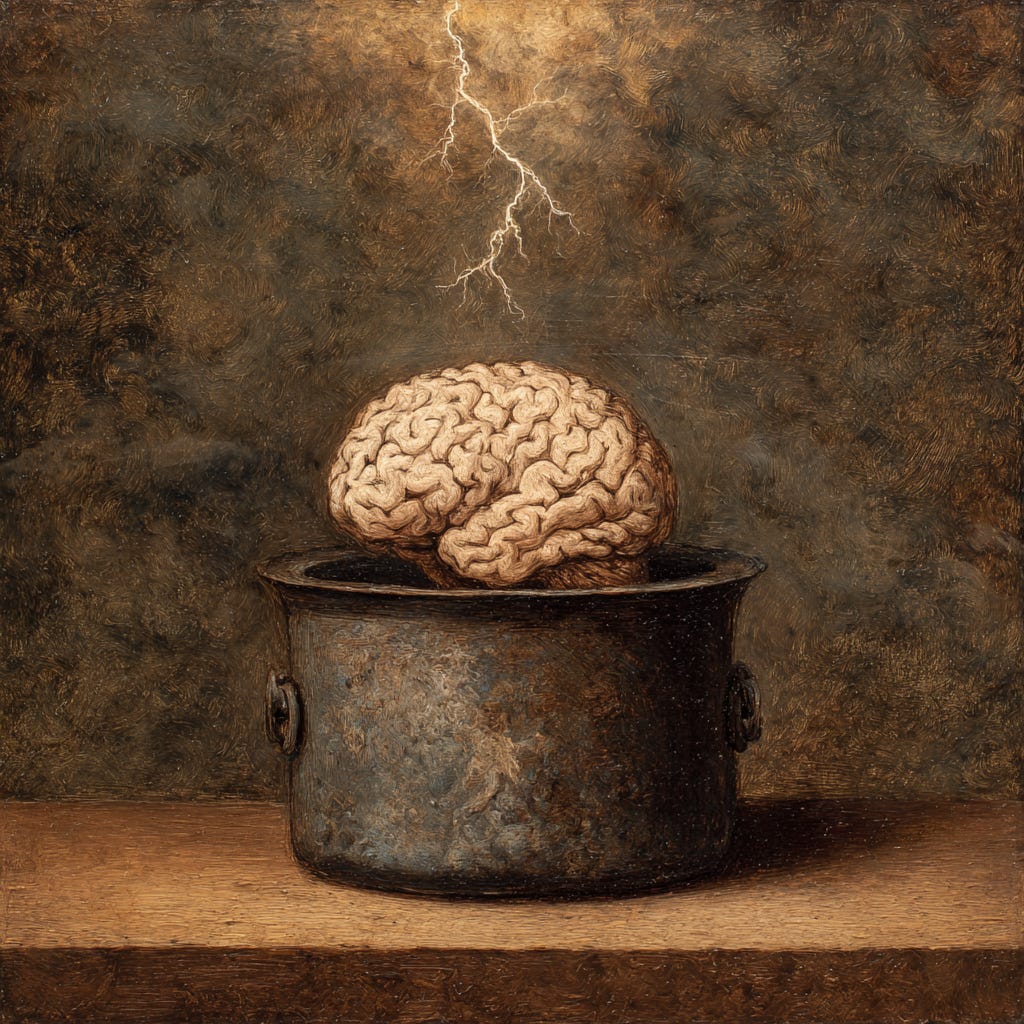
The simulation hypothesis is ingenious, but it makes no difference to how we live.
It’s become a cocktail-party commonplace: mention The Matrix, toss in a Neil deGrasse Tyson sound bite, and nod gravely at the possibility we’re living in a simulation. The conversation feels weighty, even cosmic. But beneath the sheen of profundity, nothing changes.
Philosophy at its best is costly. The Buddha abandoned his palace to pursue liberation. Socrates drank hemlock rather than compromise his principles. Kant rebuilt morality so that every human being would be treated as an end, not a means. Their insights unsettled lives—starting with their own. By contrast, believing we might live in a simulation changes nothing. Tomorrow you will still pay bills, face ethical dilemmas, and disappoint people you love. Even if the universe is code, the crying baby in the next room still needs you.
That is why the simulation hypothesis functions more like comfort food than philosophy.
Nick Bostrom, the Oxford philosopher who formalized the idea in 2003, didn’t just ask “what if we’re in a simulation?” He framed it as a logical fork. Think of three possibilities:
Civilizations like ours tend to wipe themselves out before they develop the computing power to simulate entire worlds.
Civilizations that do reach that level of power have little interest in running such simulations.
If they do run them, they won’t just run one—they’ll run millions. In that case, simulated beings would vastly outnumber real ones, which means the odds are high that we are among the simulated rather than the rare originals.

 | A guest post by
|